How do you properly remove stains from the sofa?
A stain on the sofa happens faster than you think—a moment of carelessness and it’s done. Fortunately, that doesn’t automatically mean permanent damage. With the right method, you can remove many stains yourself and make your sofa look fresh again. Here you’ll find out what really matters.
Removing stubborn stains from the sofa – how to save your sofa before nothing helps anymore?
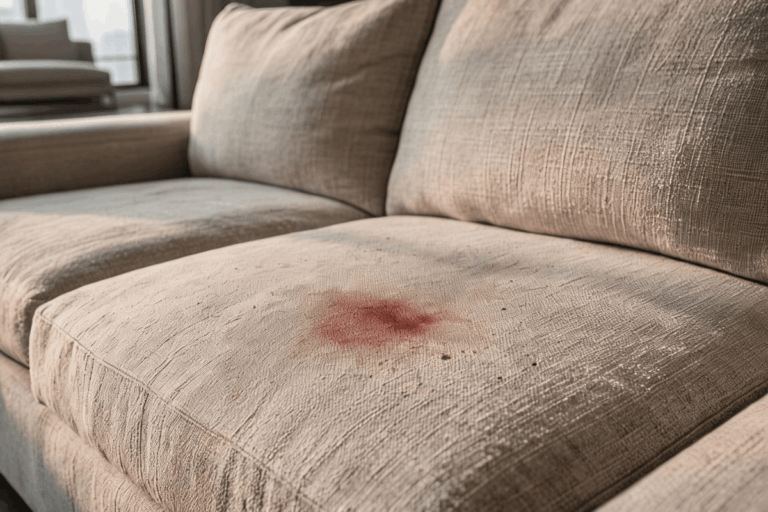
Sometimes you only notice the stain once it has long since dried in. Weekend coffee, an old grease stain, or a dark shadow that just won’t disappear. This is exactly where most mistakes happen – too much water, too much rubbing, the wrong products. If you want to remove stubborn stains from the sofa, what you need most is patience and the right technique, not force. Always work carefully from the outside in and test any product first on an inconspicuous area.
For stubborn dirt, a paste made from baking soda can help. Many people deliberately use cleaning sofa with baking soda because it neutralizes odors, binds grease, and does not attack the fibers. Let the paste sit long enough and vacuum it up only when everything is completely dry. Important: do not soak, do not rub, and give the fabric time to dry. This helps prevent water stains or mold growth in the upholstery.
Removing stains from upholstered furniture – these mistakes only make things worse
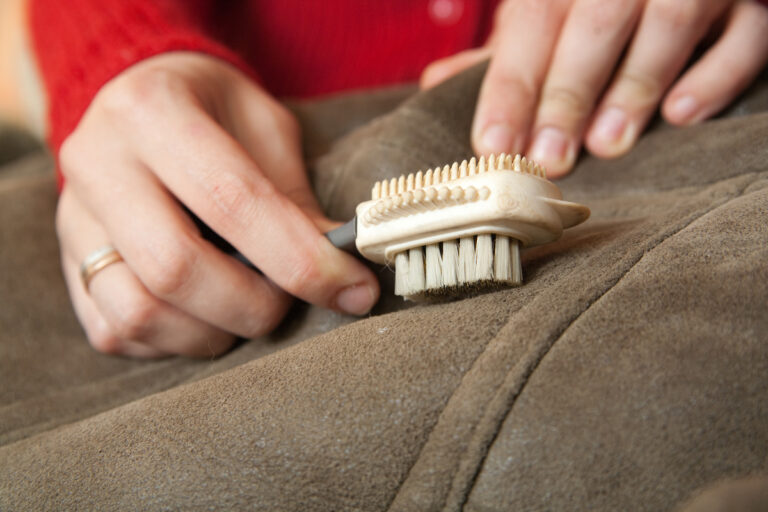
If you want to remove stains from upholstered furniture, you should be aware that every fabric reacts differently. Microfiber, cotton, and leather need different care. A common mistake is applying a strong cleaning product over a large area. This often creates edges or discoloration that are harder to remove than the original stain.
It’s better to work on the spot directly and blot away excess moisture immediately. Less water means less risk. Drying also plays a major role—make sure there is good ventilation and avoid direct heat. Anyone who cleans carefully on a regular basis prevents dirt from setting deep into the fabric. This keeps your sofa well maintained in the long term and stable in its structure.
Cleaning upholstery hygienically – what really helps against odors, mites, and bacteria?
A sofa often looks clean even though quite a lot collects inside it. Dust, skin flakes, and moisture create the ideal breeding ground for mites and bacteria. That’s why you should not only clean your sofa visually, but regularly clean upholstery hygienically. Weekly vacuuming with an upholstery attachment already reduces a large part of the buildup.
In addition, you can occasionally treat your sofa with baking soda or diluted vinegar. Many people deliberately use sofa cleaning with vinegar because vinegar has an antibacterial effect and neutralizes unpleasant odors. The key is the right mixture and good ventilation afterward. After about 24 hours, the vinegar smell disappears completely, leaving behind a fresh, clean feeling in the living space.
Coffee, grease, or everyday dirt? This is how to react correctly and save yourself the professional service
With fresh stains, the first reaction often decides the outcome. If coffee is spilled, you can remove coffee stains from the sofa by immediately blotting up the excess liquid instead of rubbing. Sparkling water helps loosen color pigments, while a mild dish soap solution binds grease. Acting quickly significantly increases your chances of success.
The same applies to grease or wine stains: stay calm and proceed in a structured way. Home remedies are often enough if they are used correctly. The sooner you react, the less effort you’ll need later. With a well-thought-out care routine, you can noticeably extend the life of your sofa and save yourself expensive professional cleaning.
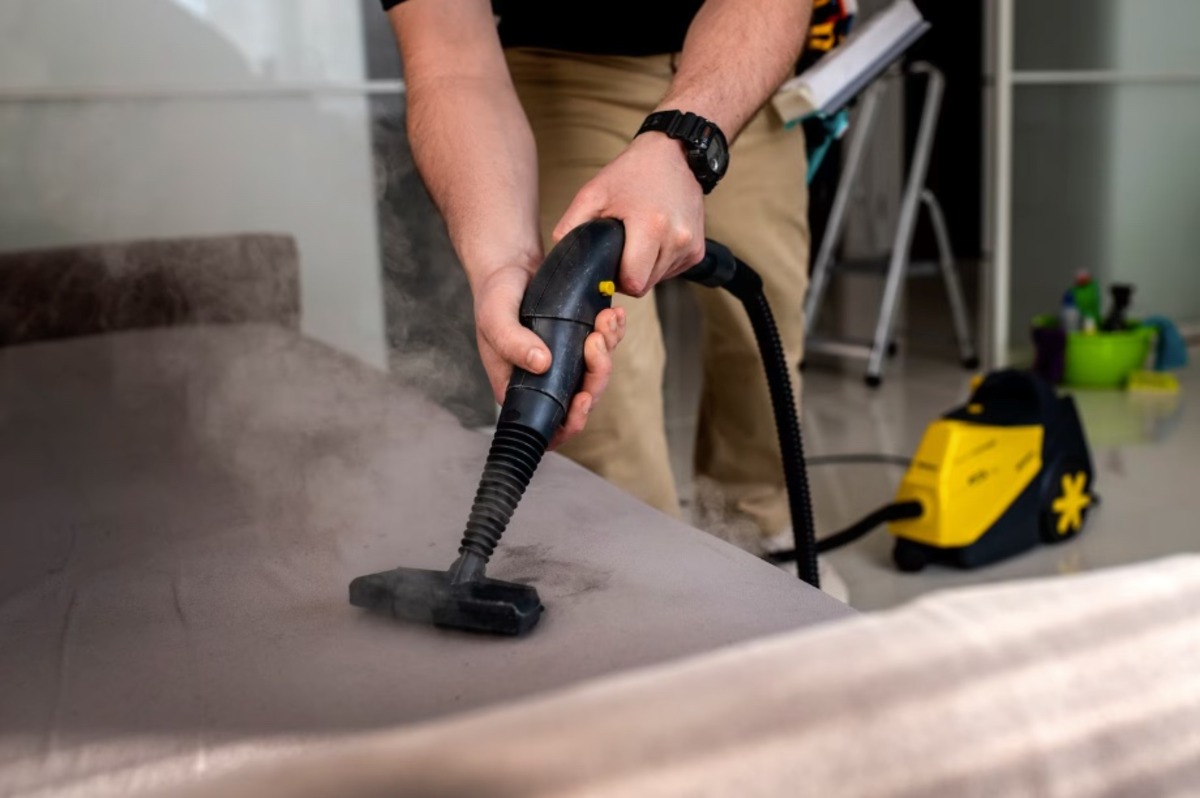
If, despite all measures, the stain remains visible or you are unsure about delicate materials, professional help is often the better choice. Especially with high-quality sofas or large-scale soiling, professional treatment is worthwhile to avoid damage and protect the material in the long term. MoClean24 offers professional upholstery cleaning, using modern technology and suitable cleaning methods—tailored to the fabric type and level of soiling. This way, your sofa gets thoroughly clean, hygienically fresh, and safely treated, without any risk to color or structure.
Frequently Asked Questions (FAQ)
We want you to feel comfortable from the very beginning. That’s why we answer the questions our customers ask most often here—clearly, transparently, and understandably. So you know exactly what to expect from MoClean24.